The Brooks Record
The Human Firewall: A Legacy of Unbought Advocacy
From the halls of the State Capitol to the front lines of Juvenile Court reform, Henri E. Brooks has spent 30 years proving that one voice—when backed by the truth and the people—can dismantle systemic injustice.
The Record of a Legend
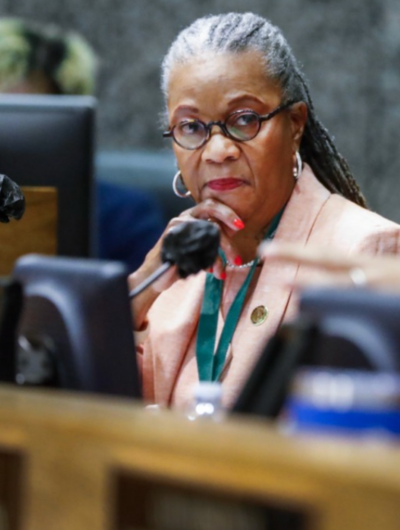
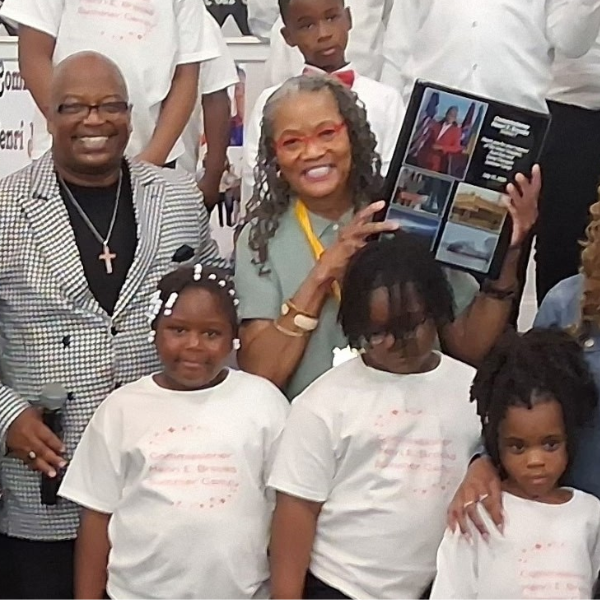
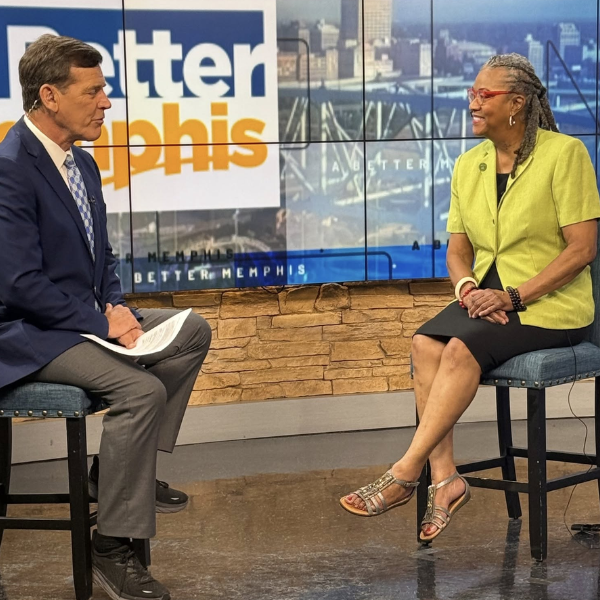
In a political world often dominated by compromise, Commissioner Henri E. Brooks has remained the “Unbought and Unbossed” exception. For over three decades, her career has not been about occupying a seat, but about holding the line for the residents of Shelby County.
The heart of Henri’s legacy is her fearless challenge to the status quo. In 2007, when others turned a blind eye to the constitutional violations occurring within the Juvenile Court system, Henri stood up. Facing disbelief and a lack of support from the political establishment, she turned to the bedrock of her community—the Black Church. With seven business binders of documented evidence and the prayers of her constituents, she took her case to the Department of Justice in Washington D.C.
The result was a historic victory for civil rights: In 2012, the DOJ validated her claims, finding that the court was depriving children of their constitutional rights based on the color of their skin. This led to a mandatory Memorandum of Understanding that forced systemic reform.
But her work didn’t stop at the courtroom doors. As a State Representative, Henri authored the Inner-City Revitalization Act of 2003 and the nation’s first state-level Title VI enforcement law, ensuring that tax dollars could never be used to fund discrimination. Her legacy is one of “Plain Talk” and hard facts—a record of protecting the middle-class Black communities like Springdale, Hollywood, and Douglas, ensuring that even when buildings deteriorate, the culture and the rights of the people remain unshakable.
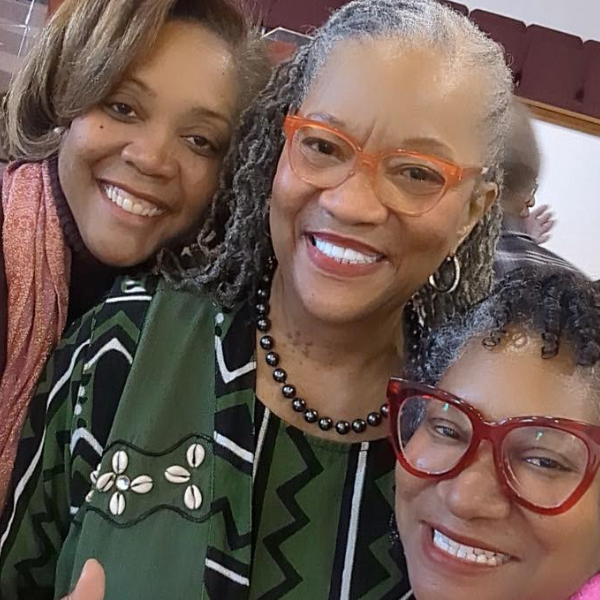
HENRI E. BROOKS